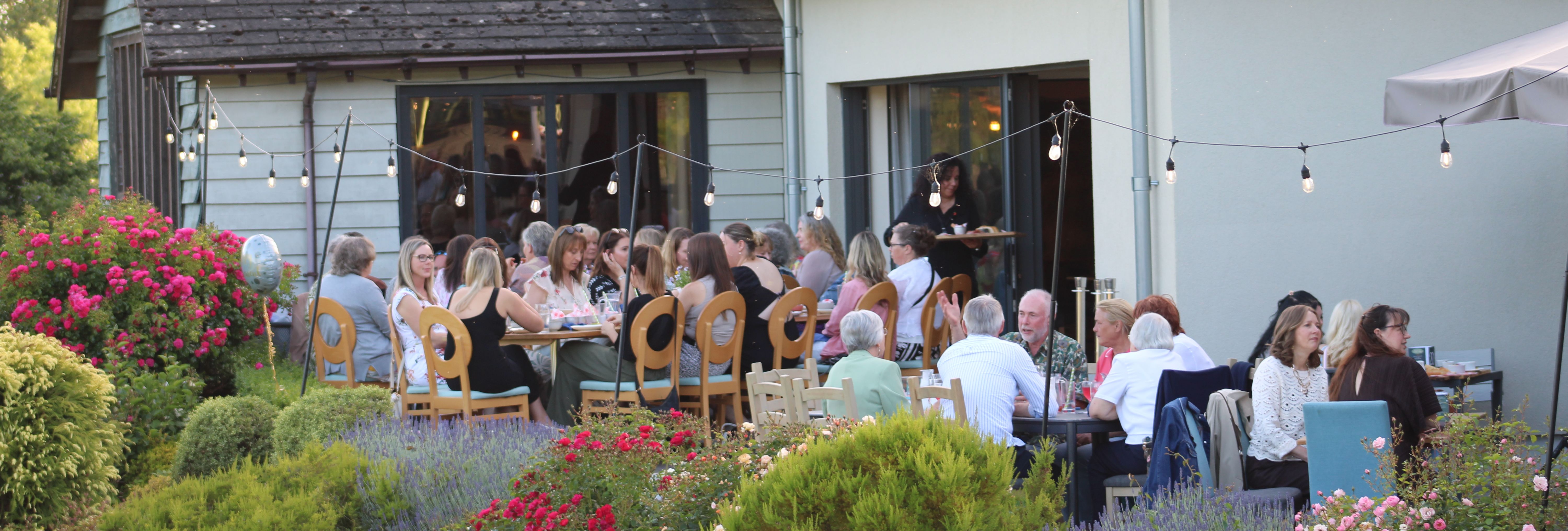
Hosting a Private Dining Experience in Newton Abbot: How to Plan a Private Dining Event
Planning a private dining event is all about getting the details right. Before you start contacting venues, it helps to have a clear idea of your guest count, preferred dining style, budget and the running order for the day. These decisions will shape the room, menu and service you need to bring your celebration together.
If you're looking to organise a birthday, anniversary or family gathering in Newton Abbot, this guide will help you plan a private dining event that runs smoothly, from choosing the right space to confirming the final details with your venue.
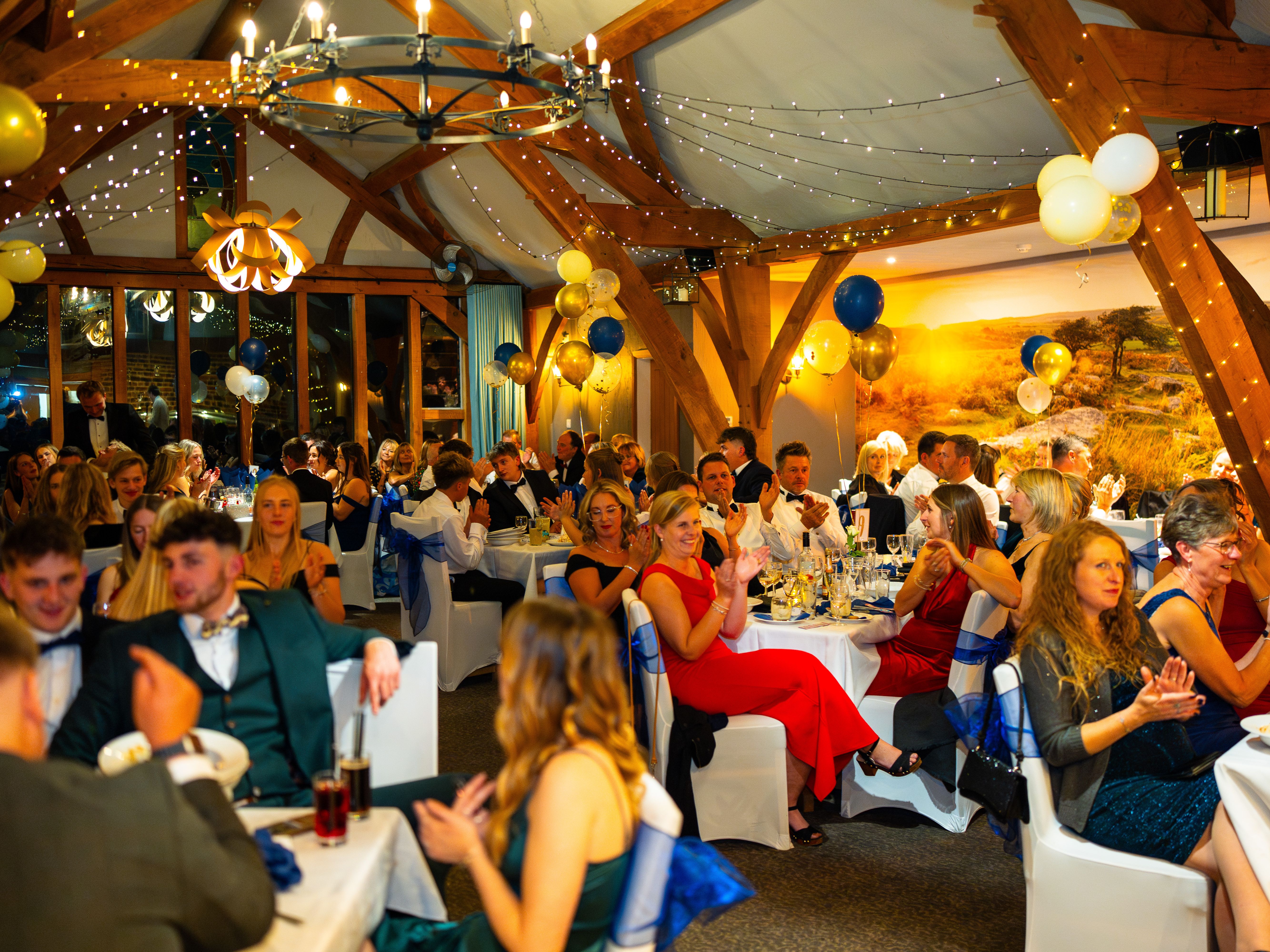
How to Plan a Private Dining Event: Start with Your Guest Count
One of the first things to consider when planning a private dining event is how many people you are likely to invite. Rather than working from your longest possible guest list, start with a realistic estimate of who you expect to attend.
A dinner for 34 guests will require a different room layout and service plan from a celebration for 90. Even an approximate number will help you narrow down suitable venues and give the events team a useful starting point when discussing your plans.
At Dainton Park, private dining spaces are available for groups of 30 to 140 guests, with The Oak Room and The Orangery offered individually or together. This makes your likely guest count one of the first details worth sharing with the team.
To keep things simple, create a guest list divided into invited, confirmed and unable to attend. Remember to count partners, children and any additional guests individually, so your final number reflects how many places will actually be needed at the table.
Choose a Room That Suits Your Dining Experience
The right private dining room needs to work for more than the moment everyone sits down to eat. Think about how guests will arrive, where drinks will be served, how people will move around the room and whether you plan to include speeches, cake cutting or time to mingle.
At Dainton Park, The Oak Room offers views across the golf course and direct access to the bar. The Orangery features floor-to-ceiling windows and access to a private terrace, making it a lovely option for gatherings where guests may want to enjoy both indoor and outdoor spaces.
When viewing a venue, try to picture how your event will flow. Rather than simply checking whether 50 chairs will fit, consider where guests will be welcomed, where a birthday cake might be placed and whether everyone will have a good view of a speech or presentation.
You can explore Dainton Park’s wider meeting and events spaces before discussing your preferred room layout with the events team.
Decide on Your Menu Format Before Choosing Dishes
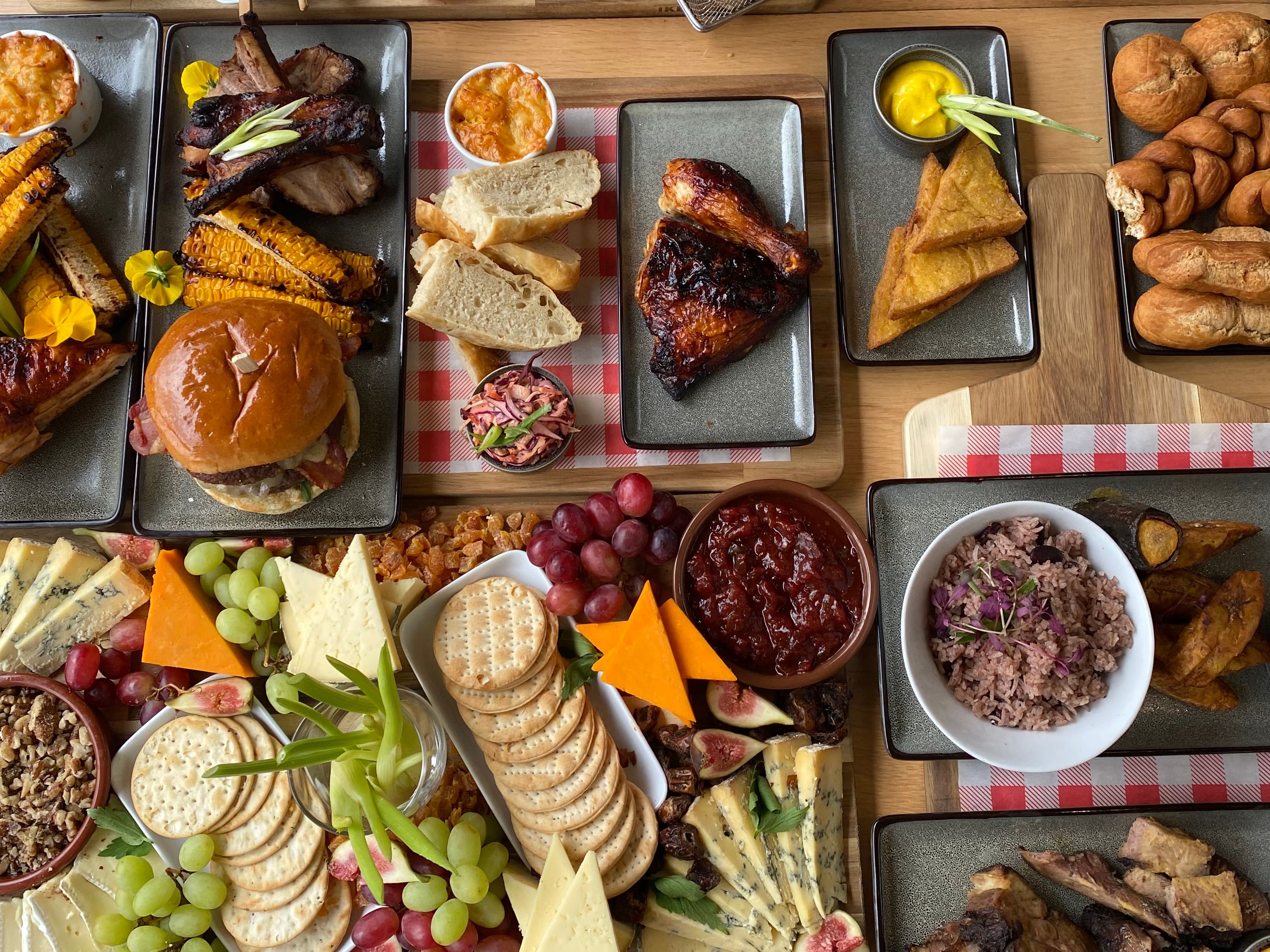
Once you have an idea of your room and guest count, the next step is to think about how you want your guests to dine. Choosing the format of the meal before deciding on individual dishes will make planning much easier, as a seated two-course meal creates a different pace from an afternoon tea, buffet or BBQ so the format will affect seating, timings and how much mingling takes place.
Dainton Park offers a range of event dining options, including afternoon teas, buffets, BBQs, carveries and two or three-course meals. The private dining team can also discuss bespoke menus and cater for a range of dietary requirements.
If you are sending invitations or arranging RSVPs, include a request for dietary information. Gathering this early means you can provide the venue with one clear list, rather than trying to collect details from guests shortly before the event.
For a broader look at the food and dining options available at the club, you can also browse dining at Dainton Park.
Create a Running Order for Your Private Dining Event
A simple running order can make a big difference to how smoothly your private dining event runs. Before finalising your invitations, write down the main stages of the day or evening and consider how they will fit around food service.
For example, your plan might include guests arriving at 6.30pm, taking their seats at 7pm and a main speech at 8.45pm. These timings are purely illustrative, but setting out the sequence in advance helps avoid clashes.
If you are planning a surprise cake, family presentation or group photograph, let the venue know ahead of time. Having these moments built into the schedule gives the team a better opportunity to accommodate them without disrupting the meal.
Keep Your Private Dining Budget and Booking Details Together
A clear budget will help you make decisions with confidence and avoid unexpected costs as your plans develop.
For a private dining event, it is useful to separate your budget into four main areas:
- Room hire
- Food
- Drinks
- Additional items, such as decorations, entertainment or equipment
Keeping these costs separate makes it easier to see how changes to your guest count or dining format might affect the overall price.
Before confirming your booking, ask the venue when the final guest count is required, whether a deposit is needed, when the balance is due and what the cancellation terms are.
If you are planning to bring a birthday cake, decorations or specialist equipment, confirm the venue’s policy beforehand, as some items may need prior approval.
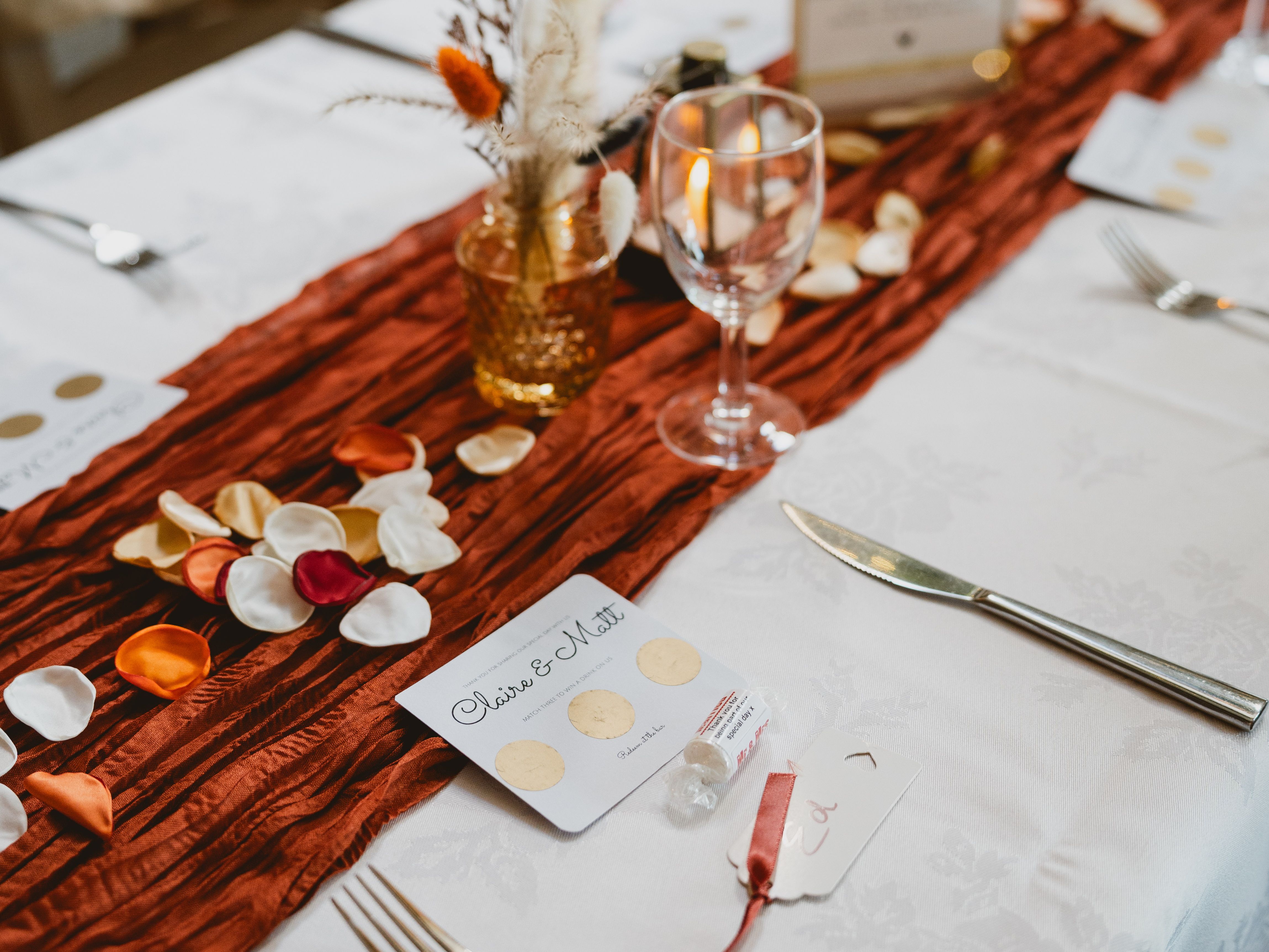
Prepare a Final Event Brief for the Venue
As your event gets closer, bring the important information together in one final event brief. This makes it easier for the venue team to work from the same details and reduces the chance of anything being missed.
Your brief should include:
- Confirmed guest numbers
- Arrival time and dining start time
- Chosen dining format and menu
- Dietary requirements
- Seating arrangements
- Scheduled speeches or presentations
- Any decorations, cakes or equipment being brought to the venue
It is also helpful to nominate one person as the main point of contact for the venue to keep communication straightforward and ensures that any last-minute questions or changes are dealt with efficiently.
At Dainton Park, the hospitality team is available to help organise and run private dining events. Providing one agreed set of details makes the final handover much clearer and helps the team prepare for your celebration.